2021 Symposium – Matching our keynote speakers with their topics
- Our 5th Annual Symposium,”Processing RNA,” March 25–26, 2021, 11:00–2:30 pm ET
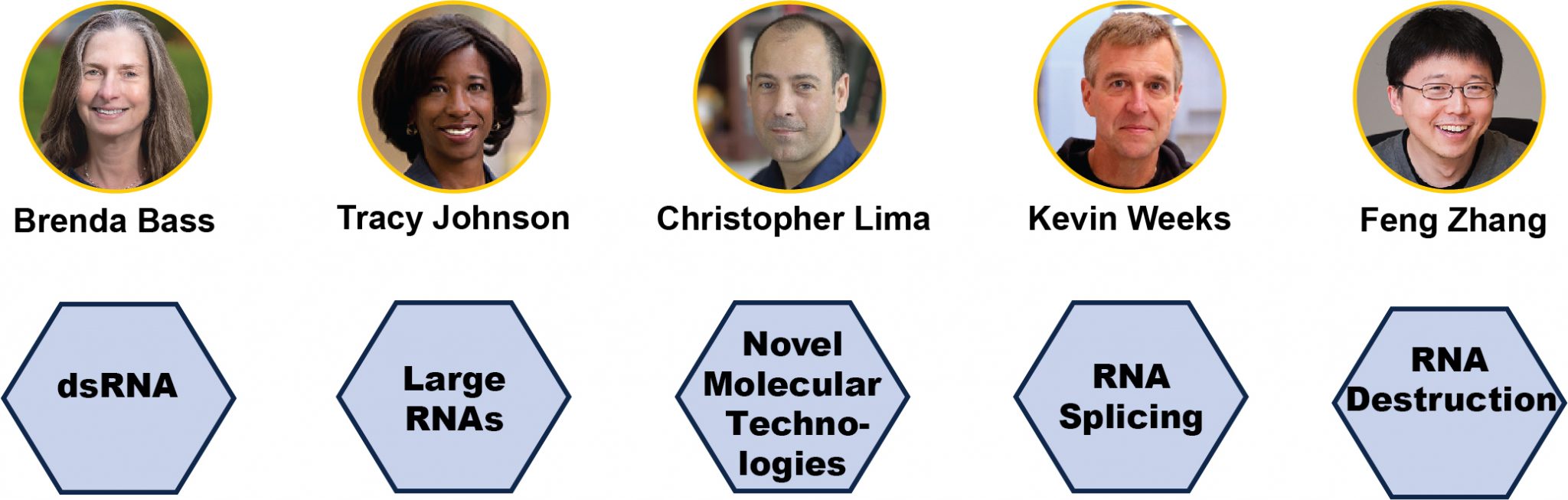
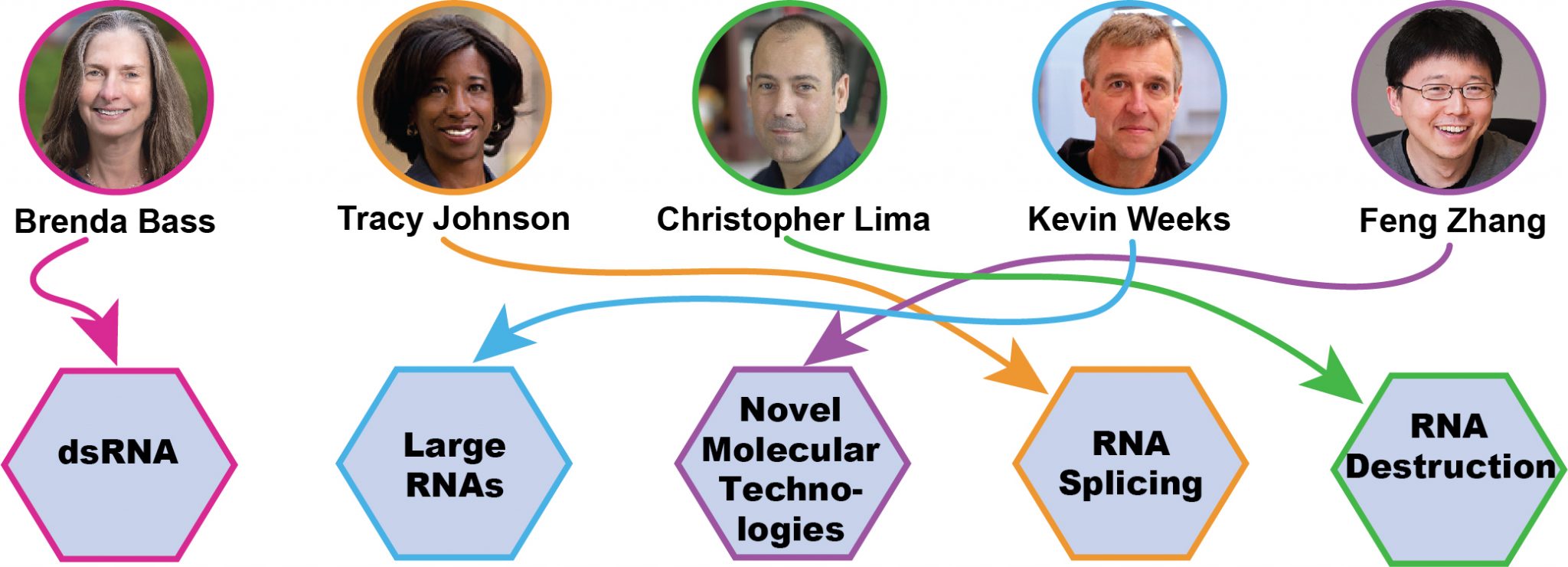
Can you match our speakers with their topics?
SYMPOSIUM REGISTRATION
Answer

Yaping Liu, Ph.D. Postdoctoral Research Fellow Program in Biophysics, Sarah Keane Lab Who/what brings you to science? A curiosity to know how to use various imaging techniques to observe biological macromolecules in three dimensions to understand their structure, function, and interactions. What are your research interests? Understanding the molecular basis of noncoding RNA…
One of the challenges of becoming an expert is to keep exploring broadly while being highly focused. Alyssa English, Ph.D., a postdoctoral fellow in Dr. Stephanie Moon’s lab, has found that by extensively studying basic science and rigorously applying the scientific method, she has acquired a strong foundation that allows her to tackle many different…
While some students may think it’s a good idea to pull an all-nighter before an exam, conventional wisdom may be correct: a good night’s sleep may actually be more helpful, according to University of Michigan research. U-M scientists Sara Aton and James Delorme found when mice are sleep deprived, there is an increase in activity…

By Paul Avedisian 29 November 2024 An international consortium of researchers from the University of Michigan, the Université de Strasbourg, and the Technische Universität Berlin uncover important players in the mechanistics and the machinery involved in the bacterial ribosome-mRNA translation initiation process through an intercollegiate collaborative new study. Adrien Chauvier, Ph.D., is a Senior Scientist…
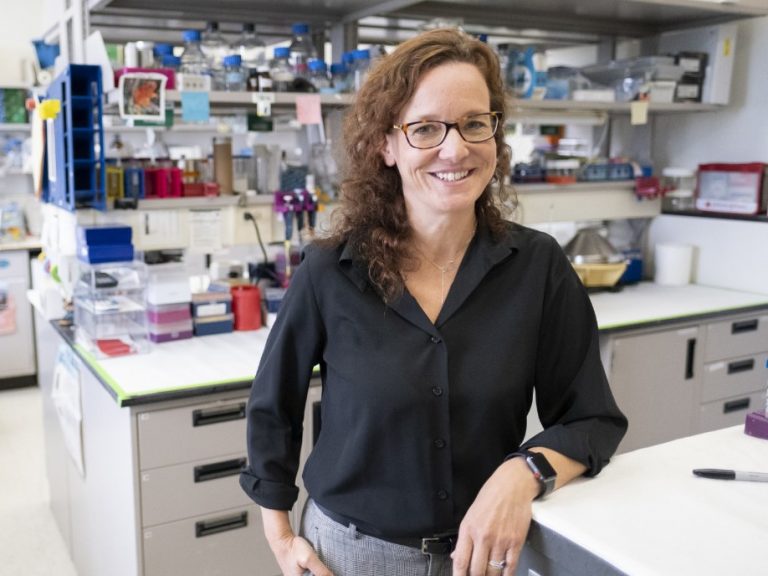
We are thrilled to announce that Dr. Michelle Hastings has joined us as a faculty member in the Department of Pharmacology, and Director of the M-RNA Therapeutics Initiative at The Center for RNA Biomedicine. Dr. Hastings will lead one of the largest teams of RNA scientists in the world, as Director of M-RNA Therapeutics within…

Giving Tuesday | December 2 Every year on Giving Tuesday, millions of people around the world join together to support causes and organizations that are making a difference. At the University of Michigan, impactful projects across all three campuses and Michigan Medicine are funded each year thanks to the generosity of the U-M community on the…