

11th Annual RNA Symposium
RNA in Motion: From Molecular Dynamics to Medicine
March 3-5, 2027
BSRB Kahn Auditorium, Michigan League
University of Michigan, Ann Arbor Campus
Join us for a series of dynamic presentations, panel discussions, and collaborative sessions
designed to push the boundaries of RNA research and foster interdisciplinary collaboration.
This year’s symposium explores RNA across scales, from atomistic structure and molecular dynamics to gene regulation, cellular function, and human disease. Through cutting-edge scientific talks, we will examine RNA transcription, processing, folding, translation, and degradation; computational approaches to RNA modeling and design; the interplay among RNA, chromatin, and the physical genome; and disruptions in RNA metabolism that contribute to neurodegenerative disease. Together, these perspectives will reveal how innovative technologies and interdisciplinary research are advancing our understanding of RNA biology and opening new possibilities for medicine.
Registration and abstract submission are now open!
*PLEASE NOTE: You will be notified that you must have an Iris account to register. You can either create one or sign in to your existing Iris account.
For more information, please review the Registration Guide.
2027 RNA Symposium Keynote Speaker Guide

Keynote Speaker Information

Professor of Biochemistry, Stanford University School of Medicine
“Title TBD”
Abstract:
TBD
Biography
Dr. Das is a Professor of Biochemistry at Stanford University School of Medicine. After training in particle physics and cosmology at Harvard, Cambridge, University College London, and Stanford, Dr. Das did postdoctoral research in computational protein folding at the University of Washington with David Baker. On returning to Stanford, Dr. Das set up his lab to focus on computer modeling and design of RNA molecules, which underlie important molecular machines in biology and medicine. As a core part of this research, Dr. Das leads Eterna, an open science platform that crowdsources intractable RNA design problems to 250,000 players of an online videogame and provides scoring feedback based on actual wet-lab experiments. Dr. Das has been recognized by the Burroughs-Wellcome Career Award at the Interface of Science, the Stanford Medicine Endowed Faculty Scholar award, and selection as an investigator of the Howard Hughes Medical Institute.

Professor of Genetics, Harvard Medical School
“Title TBD”
Abstract:
TBD
Biography
Stirling Churchman is Professor of Genetics at Harvard Medical School. Her research focuses on the coordination of gene expression across the cell, from the nucleus to the mitochondria, in both health and disease. The Churchman lab has developed innovative sequencing-based approaches to visualize gene expression processes across the cell with high resolution.
Among her contributions, Churchman pioneered native elongating transcript sequencing (NET-seq), which maps RNA polymerase genome-wide at nucleotide resolution. The lab also developed nanopore analysis of co-transcriptional processing (nano-COP), designed to directly probe the dynamics and regulation of pre-mRNA splicing in vivo, and more recently subcellular TimeLapse-seq, which tracks the life cycles of RNAs from production to degradation as they progress through the cell.
The group also discovered that cytosolic and mitochondrial translation programs are synchronized during mitochondrial biogenesis. By continually developing new approaches to analyze gene expression, Churchman and her team aim to identify previously unappreciated layers of gene regulation and elucidate the molecular mechanisms behind them.
Churchman has a BA in physics from Cornell University and a PhD in physics from Stanford University. She did her postdoctoral work at the University of California, San Francisco, where she was a Merck Fellow of the Damon Runyon Cancer Research Foundation. She joined the faculty of the Genetics Department at Harvard Medical School in 2011. She was also a co-author of Harvard’s report on Institutional Voice.

Professor of Genetics, Stanford University School of Medicine
“Title TBD”
Abstract:
TBD
Biography
William Greenleaf is a Professor in the Genetics Department at Stanford University School of Medicine, with a courtesy appointment in the Applied Physics Department. He is a member of Bio-X, the Biophysics Program, the Biomedical Informatics Program, and the Cancer Center. He received an A.B. in physics from Harvard University in 2002, and received a Gates Fellowship to study computer science for one year in Trinity College, Cambridge, UK. He returned to Stanford to carry out his Ph.D. in Applied Physics in the laboratory of Steven Block, where he investigated, at the single molecule level, the chemo-mechanics of RNA polymerase and the folding of RNA transcripts. He conducted postdoctoral work in the laboratory of X. Sunney Xie in the Chemistry and Chemical Biology Department at Harvard University, where he was awarded a Damon Runyon Cancer Research Foundation Fellowship, and developed new fluorescence-based high-throughput sequencing methodologies. He moved to Stanford as an Assistant Professor in November 2011. Since beginning his lab, he has been named a Rita Allen Foundation Young Scholar, an Ellison Foundation Young Scholar in Aging (declined), a Baxter Foundation Scholar, a Chan-Zuckerberg Investigator, and Arc Institute Innovation Investigator, and received the NIH Director’s Pioneer Award. His highly interdisciplinary research links molecular biology, computer science, bioengineering, and genomics a to understand how the physical state of the human genome controls gene regulation and biological state. Efforts in his lab are split between building new tools to leverage the power of high-throughput sequencing and cutting-edge microscopies, and bringing these new technologies to bear against basic biological questions of genomic and epigenomic regulation. His long-term goal is to unlock an understanding of the physical “regulome” — i.e. the factors that control how the genetic information is read into biological instructions — to develop a quantitative understanding of how cells maintain, or fail to maintain, their state in health and disease.

Principal Investigator, Los Alamos National Laboratory
“Title TBD”
Abstract:
TBD
Biography
Dr. Karissa Sanbonmatsu is a structural biologist and fellow of Los Alamos National Laboratory, where she leads the Sanbonmatsu Laboratory established in 2001. For three decades, she has used high performance computing platforms to perform simulations of RNA, proteins, chromatin, macromolecular complexes, plasma turbulence, space plasmas, and inertial confinement fusion plasmas. She performed the first million atom and first billion atom biomolecular simulations. Her team uses computational and experimental approaches to understand the mechanism of a diverse array of epigenetic and non-coding RNA systems. Her team recently used cryo-EM to solve the structure of the Glycine tandem riboswitch. She is a fellow of the American Physical Society and a fellow of Los Alamos National Laboratory.

Professor of Neurology, University of Michigan Medical School
“Title TBD”
Abstract:
TBD
Biography
Dr. Barmada received his Ph.D. in the Medical Scientist Training Program at Washington University in St. Louis, and completed his neurology residency and postdoctoral fellowship at the University of California, San Francisco (UCSF). Dr. Barmada moved to the University of Michigan as an Assistant Professor of Neurology in 2013, became Director of the University of Michigan Brain Bank in 2021, and an Associate Director of the Medical Scientist Training Program at UM in 2024, and full professor in 2026. Combining basic biology with translational research and technology development, his research centers on critical abnormalities in RNA and protein metabolism in neurodegenerative diseases such as amyotrophic lateral sclerosis (ALS) and frontotemporal dementia (FTD). His clinical practice in the Cognitive Disorders Clinic at the University of Michigan mirrors his research program, focusing on comprehensive, considerate and evidence-based care for people with degenerative diseases of the mind. He has taken an active role in raising awareness of ALS and FTD in the community, participates in several local and national fundraising efforts, and helps guide priorities for national research funding through NIH-sponsored panels.
Interested in becoming a sponsor for 2027?
New This Year: Recognizing Discovery and Building Connections
Diamond and Platinum sponsors receive enhanced recognition through association with a featured keynote speaker. Diamond sponsorship also supports attendee-selected poster presentation awards — celebrating emerging scientific talent and creating opportunities for meaningful connections across academia and industry.
Contact Paul Avedisian at paulave@umich.edu or 734-764-8024
Download the 2027 Sponsorship Prospectus
Symposium and Gala Dinner Registration Fees
Symposium Registration Fees
Includes access to all symposium events including scientific talks, poster sessions, industry exhibitors, breakfast, lunch, and reception.
Fee Structure
| Registration type | Early bird (Oct-Jan 18 ) | Regular (Beginning Jan 19) |
| U-M student/postdoc | $40 | $55 |
| Non U-M student/postdoc | $75 | $95 |
| U-M academic/nonprofit | $90 | $120 |
| Non U-M academic/nonprofit | $150 | $195 |
| Industry/corporate | $325 | $425 |
Gala Networking Dinner
Information and Pricing
Join us for a Gala Networking Dinner on the second evening of the Symposium, Thursday, March 4, from 5:30 PM – 8 PM in the Michigan League Ballroom.
All attendees are invited to a Gala Networking Dinner on the second evening of the Symposium. Enjoy a relaxed evening connecting with speakers, presenters, and fellow attendees. Space is limited, so reserve your seat today for an inspiring and memorable experience.
| Registration type | Regular |
| Student/postdoc | $30 |
| Academic/nonprofit | $60 |
| Industry/corporate | $90 |
Accommodations Information
Booking information coming soon! Room blocks will be reserved at the following local hotels. Please book directly via the links below to make your reservation.
Note: Shuttle service from outlying hotels will not be provided; however, guests are encouraged to check with hotels directly for available transportation and other options.
Hampton Inn South
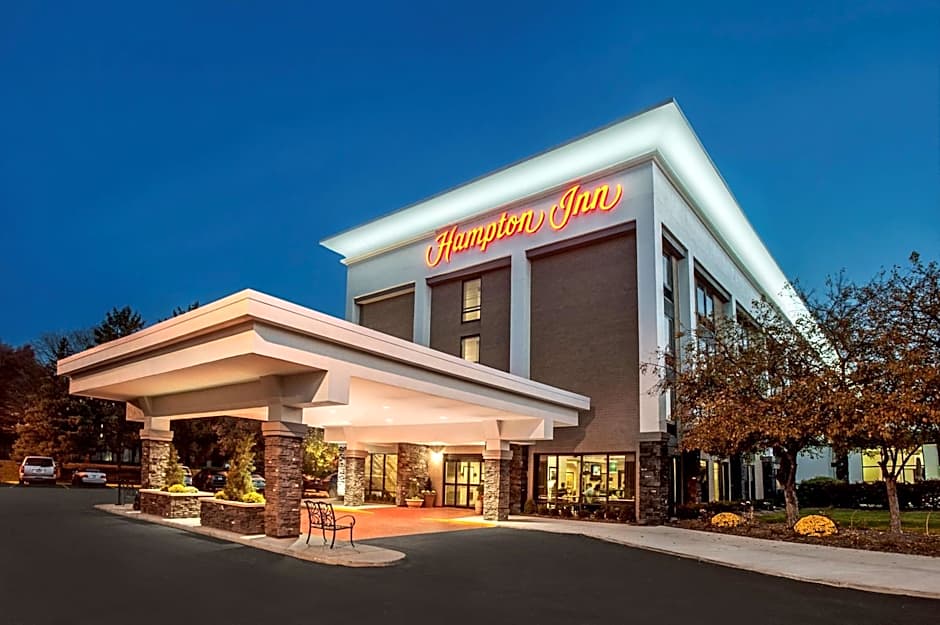
Hampton Inn – South
Hampton Inn South Website
925 Victors Way, Ann Arbor, Michigan 48108
734.665.5000
RNA Symposium Ann Arbor 2026
Booking information coming soon!
The Kensington Hotel
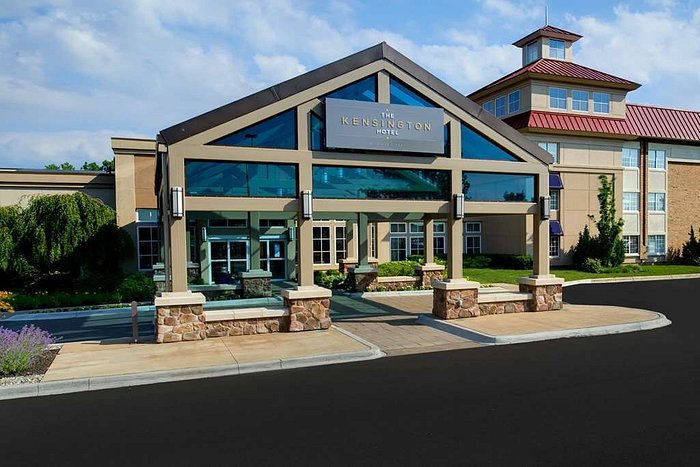
The Kensington Hotel
Kensington Website
3500 South State Street, Ann Arbor, Michigan 48108
866.446.1329
Kensington Booking Link
Booking information coming soon!
The Bell Tower
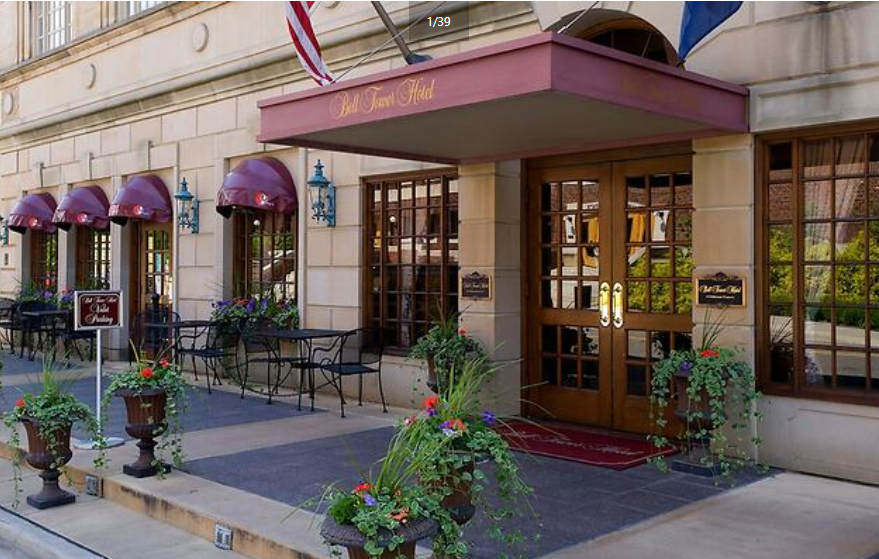
The Bell Tower*
Bell Tower Website
300 S Thayer St, Ann Arbor, MI 48104
(800) 562-3559
*Short walking distance to conference venues!
Booking information coming soon!
Inn at Michigan League
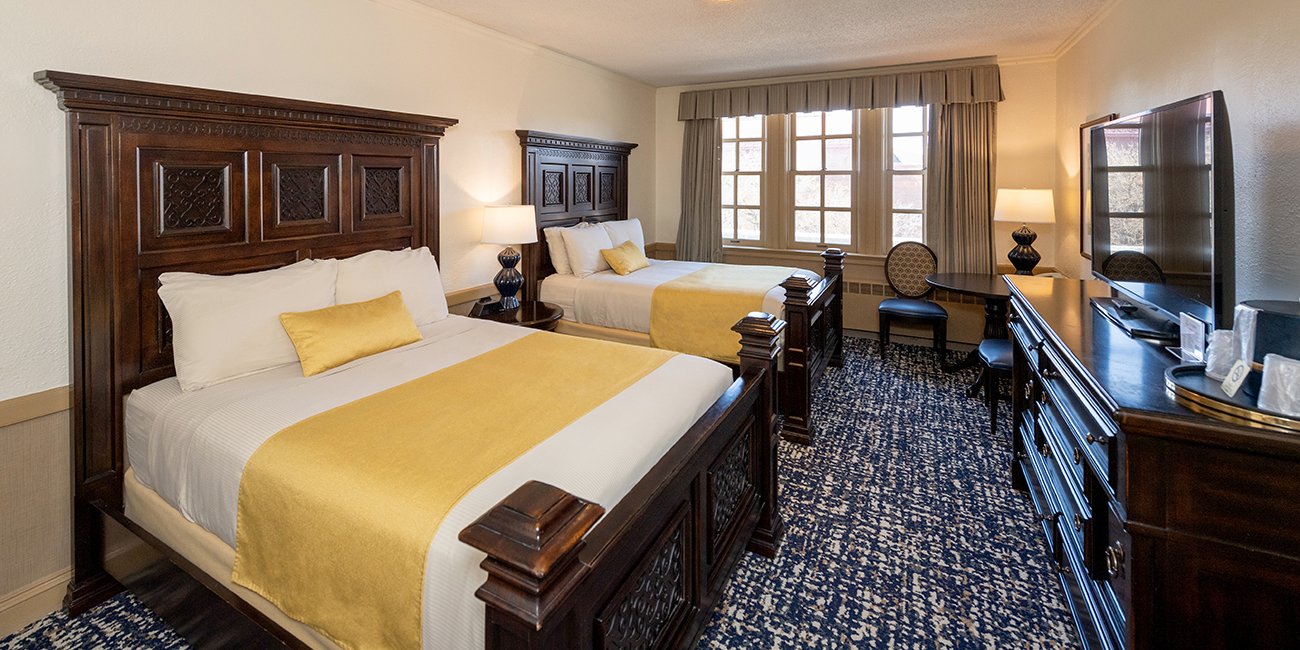
Inn at the Michigan League*
Inn at the League Website
911 North University Ave., Ann Arbor, MIchigan 48109
734.764.3177
*Short walking distance to conference venues!
Booking information coming soon!
Sponsorship Information
Celebrate a New Era of RNA Innovation!
Join us as a sponsor of the 11th Annual RNA Symposium, hosted by the University of Michigan Center for RNA Biomedicine. Connect with a dynamic community advancing our understanding of RNA — from gene-expression dynamics, molecular structure, and computational design to disease mechanisms and next-generation therapeutics.
Your support will help propel our next decade of discoveries across the RNA research continuum and accelerate their journey from the laboratory to human health.
It’s the beginning of an exciting new era in RNA research!
Contact RNA Center Manager, Paul Avedisian at paulave@umich.edu or 734-764-8024
2027 Sponsorship Prospectus


- For credit cards, please use our online giving link above (in the Special Instructions & Comments section, type “2027 Symposium Sponsorship”).
- For ACH bank transfers, use this form (in the “Area of Support” field, enter “330716 – Center for RNA Biomedicine,” and in the Comments section type “2027 Symposium Sponsorship.”)
Contact RNA Center Manager, Paul Avedisian at paulave@umich.edu or 734-764-8024
Abstract Submission Information
Interested in presenting your work at the Symposium?
Abstract submission is now open! Abstract application submissions will close on Monday, January 18, 2027 at 11:59 PM
We’re currently accepting abstract submissions to be included in the event programming.
Click the link below for more information and to submit your abstract today!
All submissions will be considered for entry into the poster session as well as the opportunity to present on stage. Please indicate in the form below your desire to give a presentation in addition to participation in the poster session. Poster and presentation slots are limited.
Abstracts selected to present short talks on stage will have their registration fee waived or refunded, providing a unique opportunity to connect meaningfully with leaders in the RNA field.
NEW THIS YEAR! Poster Presentation Awards
Subject to sponsor funding, poster presenters may be eligible for attendee-selected monetary awards recognizing outstanding research. These awards are intended to celebrate emerging scientific talent and may help recipients offset travel and other costs associated with attending the symposium.
A professional panel will review all submissions and select participants based on abstract submission. The panel will be rating each submission based on topic relevance, scientific rigor, and research significance. Please complete the form below to submit your information and abstract.


Preliminary Program
Wednesday, March 3
12:00 p.m.
1:00 p.m.
1:15 p.m.
2:00 p.m.
3:15 p.m.
3:45 p.m.
5:00–8 p.m.
Registration and Refreshments
Welcome and Introduction
Keynote
Invited Talks (Selected from Abstracts)
Networking Break | Refreshments and Sponsor Booths Open
Invited Talks (Selected from Abstracts)
Poster Session and Reception
Thursday, March 4
8:00 a.m.
9:00 a.m.
9:15 a.m.
10:00 a.m.
10:45 a.m.
11:15 a.m.
12:00 p.m.
1:00 p.m.
1:45 p.m.
2:30 p.m.
3:00 p.m.
4:00 p.m.
5:30–8 p.m.
Registration and Continental Breakfast
Welcome and Introduction
Keynote
Invited Talks (Selected from Abstracts)
Networking Break | Refreshments and Sponsor Booths Open
Keynote
Lunch & Networking | Sponsor Booths Open
Invited Talks (Selected from Abstracts)
Invited Talks (Sponsors)
Networking Break | Refreshments and Sponsor Booths Open
Keynote
Patient Advocacy Panel
Networking Dinner | Ticketed Event
Friday, March 5
8:00 a.m.
9:00 a.m.
9:15 a.m.
10:00 a.m.
10:45 a.m.
11:15 a.m.
12:00 p.m.
1:00 p.m.
1:50 p.m.
2:10 p.m.
Registration and Continental Breakfast
Welcome and Introduction
Keynote
Invited Talks (Selected from Abstracts)
Networking Break | Refreshments and Sponsor Booths Open
Invited Talks (Selected from Abstracts)
1Lunch & Networking | Sponsor Booths Open
Invited Talks (Selected from Abstracts)
Networking Break | Refreshments and Sponsor Booths Open
Speaker Panel Discussion and Closing Remarks
Registration and abstract submission are now open!
*PLEASE NOTE: You will be notified that you must have an Iris account to register. You can either create one or sign in to your existing Iris account.
For more information, please review the Registration Guide.